

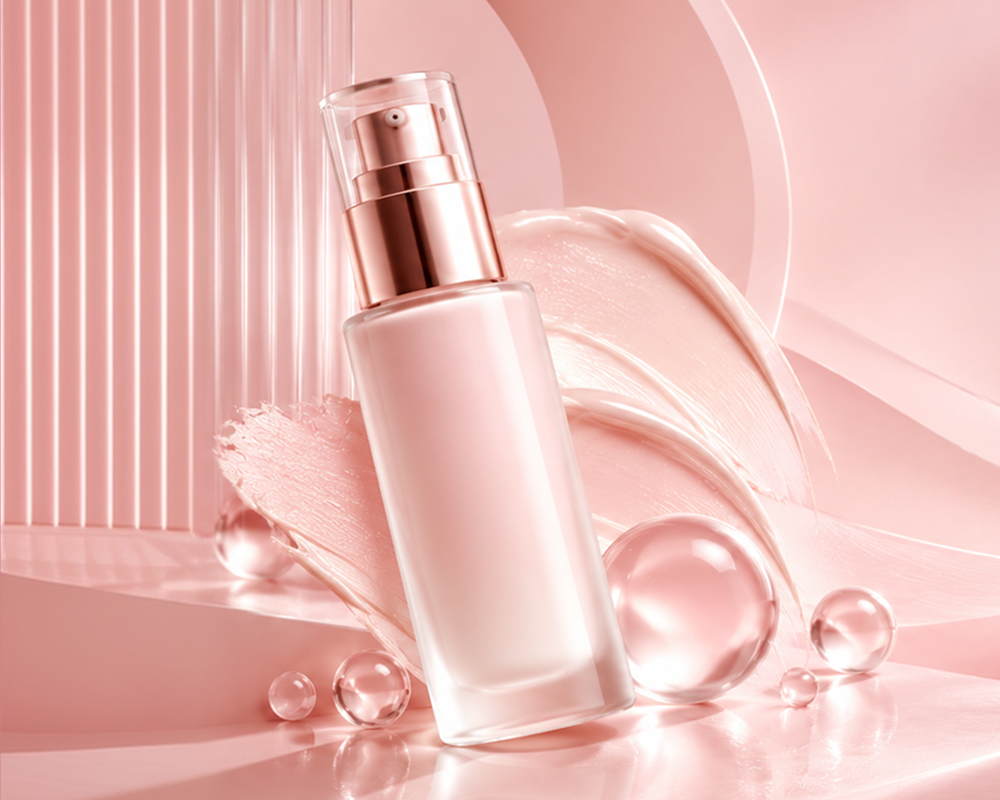
A good primer keeps makeup in place. A bad primer fights against you all day - sliding off, pilling up, or making dry patches worse. In a climate with heat, humidity, and lots of sweat, the wrong primer becomes obvious quickly.
So how do you really pick a primer? Start with skin type, not with the bottle on the shelf. Dry skin needs hydration. Oily skin needs shine control. Get the Makeup Primer right. The foundation will sit properly instead of sliding around by noon. We know how hard it can feel.
This blog will help you figure out how to choose a primer for your skin type. The right primer can make the foundation stay smooth and even - against the fight of skin. We have seen how the right primer keeps the foundation smooth.
Why Your Skin Type Matters When Choosing a Primer
Primer does not work the same on every face. Dry skin holds onto patches. Makes them worse. Oily skin turns shiny by lunchtime, and the foundation can separate before you even leave the house. Combination skin brings its problems - an oily T‑zone and dry cheeks.
Your environment matters too. Heat and humidity wear differently than an air‑conditioned office all day. That is why knowing how to choose a primer for your skin type should go beyond just picking something labeled "primer." Think about skin, makeup routine, and where you will be wearing it.
Step‑by‑Step: How to Choose the Right Face Primer
Step 1: Know your skin type
- Dry, oily, combination, or sensitive: figure this out first before anything
Step 2: Match the formula to your skin type.
- Dry skin: Look for primers that feel moisturizing. Try formulas with glycerin, hyaluronic acid, or vitamin E.
- Oily skin: Go for mattifying primers. Choose oil‑water‑based options that absorb shine and last through the afternoon.
- Acne‑prone or sensitive skin: Pick gel‑based primers. Use ones that're 100% fragrance‑free. Avoid anything that clogs pores or irritates skin.
- Combination skin: This type needs a balancing formula. Look for a soft‑matte finish that works without drying out cheeks or overloading the T‑zone.
Step 3: Test it under your foundation
Layer foundation together before committing. If it pills or separates, it is not the match, no matter how good it sounds on the label. Always test primer with foundation before deciding.
How to Choose Primer for Skin Types
Primer for Dry Skin
A primer for skin should help create a comfortable, smooth base without making flaky areas worse.
- Purpose: Add moisture, patch, and create a dewy look.
- Look for: Hydrating, serum‑like formulas with acid, glycerin, squalane, or ceramides.
- Avoid: Drying powders or products with alcohol content.
Primer for Oily Skin
A primer for skin should focus on controlling excess oil and shine without feeling heavy.
- Target: Blur pores, reduce shine. Keep the foundation from sliding off.
- Find: Oil‑matte finish or silicone‑based formulas with silica, clay, or dimethicone.
- Avoid: illuminating products that add extra shine.
Primer for Combination Skin
A primer for combination skin often needs a targeted approach - oil control in the T‑zone and hydration for cheeks.
- Goal: Balance zones with areas.
- Look for: Lightweight, balancing formulas with a soft‑matte finish.
- Pro tip: Spot‑prime by applying primer on the T‑zone (forehead, nose, chin) and a hydrating primer on cheeks.
Primer for Sensitive Skin
If skin is sensitive, choose a formula with ingredients you already know your skin tolerates.
- Goal: Soothe redness and smooth skin without irritation.
- Look for: Fragrance‑paraben‑free and hypoallergenic water‑based or soothing gel primers with tea or chamomile.
- Skip: fragrances, essential oils, and high concentrations of active acids.
Choose a Primer That Fits Your Skin and Routine
The right primer should be worn with skin, not cover it up. At Shyn Beauty, we believe how to choose a primer for your skin type starts with your skin type, then considers the finish of the foundation you use, how long you want your makeup to last, and your local climate. Picking a primer based on how your skin behaves is much easier than trusting claims on a package.
Frequently Asked Questions
What type of primer is best for dry skin?
Look for hydrating formulas that help create a smoother, more comfortable base. Ingredients such as glycerin and hyaluronic acid are commonly found in hydrating primers.
What primer should I use if I have combination skin?
For combination skin, choose a lightweight primer that controls oil in the T-zone without drying out the cheeks. You can also use a mattifying primer on oily areas and a hydrating primer on drier areas for a more balanced finish.
How much face primer should I use?
Start with a small amount and apply a thin, even layer. Using too much can make foundation difficult to blend and may increase the chance of pilling.
Should primer be applied before or after moisturiser?
Primer generally goes after your skincare routine, including moisturiser and sunscreen, and before foundation. Give skincare some time to settle before applying primer.


